
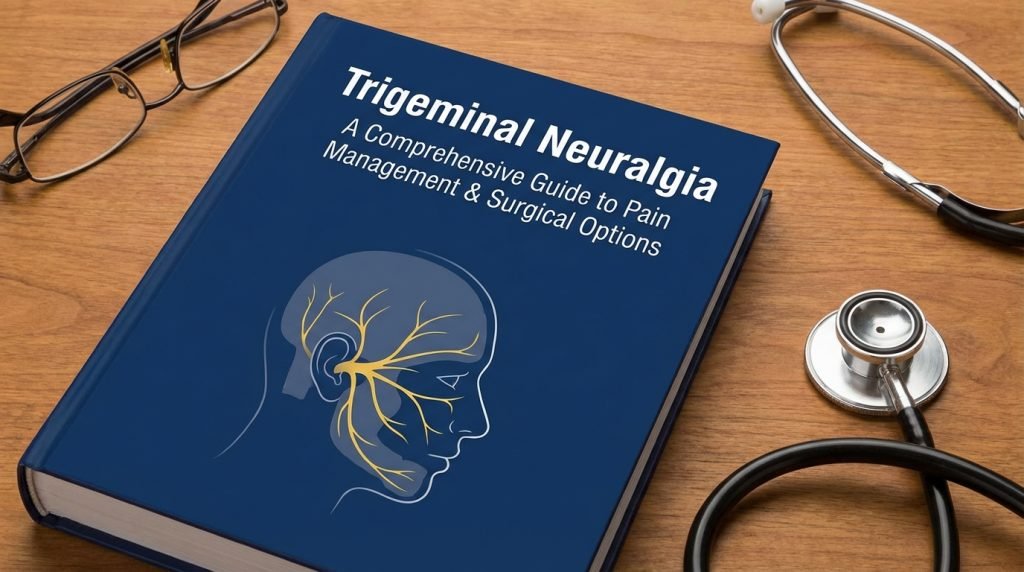
Trigeminal Neuralgia: A Comprehensive Guide to Pain Management & Surgical Options
Trigeminal Neuralgia (TN) is often described by medical professionals and patients alike as one of the most painful conditions known to humankind. Characterized by sudden, excruciating “electric shock” sensations in the face, it can turn simple daily activities like eating, speaking, or even feeling a light breeze into terrifying triggers for pain.
Because of its intensity, finding the right pain management strategy and understanding surgical options is critical for restoring a patient’s quality of life. This guide explores the pathway from diagnosis to long-term relief.
What is Trigeminal Neuralgia?
Trigeminal Neuralgia is a chronic pain condition that affects the fifth cranial nerve (the trigeminal nerve). This nerve is responsible for carrying sensation from your face to your brain.
In most cases, the pain is caused by a blood vessel (an artery or vein) pressing against the trigeminal nerve at the base of the brain. This constant contact wears away the myelin sheath—the protective coating around the nerve—causing the nerve to misfire and send intense pain signals to the brain.
Symptoms and Triggers
TN pain usually occurs on one side of the face and can be felt in the jaw, teeth, gums, lips, or occasionally the eyes and forehead. Common triggers include:
- Touching the face (shaving or applying makeup).
- Eating or drinking (especially cold or hot items).
- Brushing teeth.
- Talking or smiling.
- Cold wind hitting the face.
Non-Surgical Pain Management: The First Line of Defense
For the majority of patients, the journey begins with conservative management. Standard over-the-counter painkillers like ibuprofen or aspirin are typically ineffective for TN because the pain is neuropathic (nerve-based), not inflammatory.
1. Anticonvulsant Medications
The primary treatment for TN is anticonvulsant medication. These drugs work by blocking the nerve from firing the rapid-fire pain signals.
- Carbamazepine (Tegretol): The “gold standard” for TN. It is highly effective in the early stages but requires careful monitoring of liver function and white blood cell counts.
- Oxcarbazepine (Trileptal): A newer derivative of carbamazepine, often better tolerated with fewer side effects.
- Gabapentin (Neurontin): Often used in combination with other drugs or for patients with Multiple Sclerosis-related TN.
- Baclofen: A muscle relaxant that can be used alone or in conjunction with anticonvulsants to enhance their effect.
Side Effects Note: Many patients find that while these medications control the pain, they can cause “brain fog,” dizziness, fatigue, and coordination issues. When medication becomes ineffective or side effects become unbearable, surgery is usually the next step.
2. Nerve Blocks and Injections
Peripheral nerve blocks involve injecting an anesthetic or steroid directly into the branches of the trigeminal nerve. While this provides temporary relief (ranging from weeks to months), it is rarely a permanent solution.
Surgical Options for Trigeminal Neuralgia
When medications fail, or the dosage required to manage pain ruins a patient’s quality of life, surgical intervention is considered. There are two main categories of surgery: Microvascular Decompression (MVD) and Lesioning procedures.
1. Microvascular Decompression (MVD)
MVD is widely considered the most effective long-term treatment for TN caused by vascular compression.
- The Procedure: A neurosurgeon performs a craniotomy (a small opening in the skull behind the ear). Using a high-powered microscope, the surgeon identifies the blood vessel pressing on the nerve and places a small Teflon felt pad between them to act as a permanent cushion.
- Pros: It addresses the root cause of the pain without intentionally damaging the nerve. It offers the highest rate of long-term pain relief (80–90% success rate).
- Cons: It is a major surgery requiring general anesthesia and a 2–3 day hospital stay.
2. Gamma Knife Radiosurgery (GKRS)
This is a non-invasive “knifeless” surgery that uses highly focused beams of radiation.
- The Procedure: Radiation is targeted at the root of the trigeminal nerve to create a small lesion. This lesion disrupts the transmission of pain signals.
- Pros: No incision is required; it is an outpatient procedure. Ideal for elderly patients or those with high-risk medical conditions.
- Cons: Relief is not immediate (it can take weeks or months to work). There is a risk of facial numbness.
3. Percutaneous Rhizotomy
These are minimally invasive procedures where a needle is inserted through the cheek into the trigeminal nerve. There are three common types:
- Glycerol Injection: A chemical used to damage the pain-carrying fibers of the nerve.
- Balloon Compression: A tiny balloon is inflated to compress the nerve, damaging the pain fibers.
- Radiofrequency Thermocoagulation: Using heat to selectively destroy the nerve fibers associated with pain.
Pros: Immediate relief for most. Cons: High likelihood of facial numbness and a higher recurrence rate compared to MVD.
Lifestyle Adjustments and Integrative Therapies
While medical and surgical options are primary, many patients find relief through complementary approaches. These do not cure TN but help manage the stress and physical tension associated with chronic pain.
- Acupuncture: Some patients report a reduction in the frequency of attacks.
- Upper Cervical Chiropractic Care: In some cases, misalignment in the neck can exacerbate nerve pressure.
- Stress Management: Chronic pain triggers the “fight or flight” response. Techniques like Mindfulness-Based Stress Reduction (MBSR) or Biofeedback can help patients lower their systemic sensitivity to pain.
- Dietary Changes: Some patients find that eliminating triggers like caffeine or aspartame reduces the “excitability” of the nerve.

