Minimally Invasive Spine Surgery (MISS): Advantages You Should Know
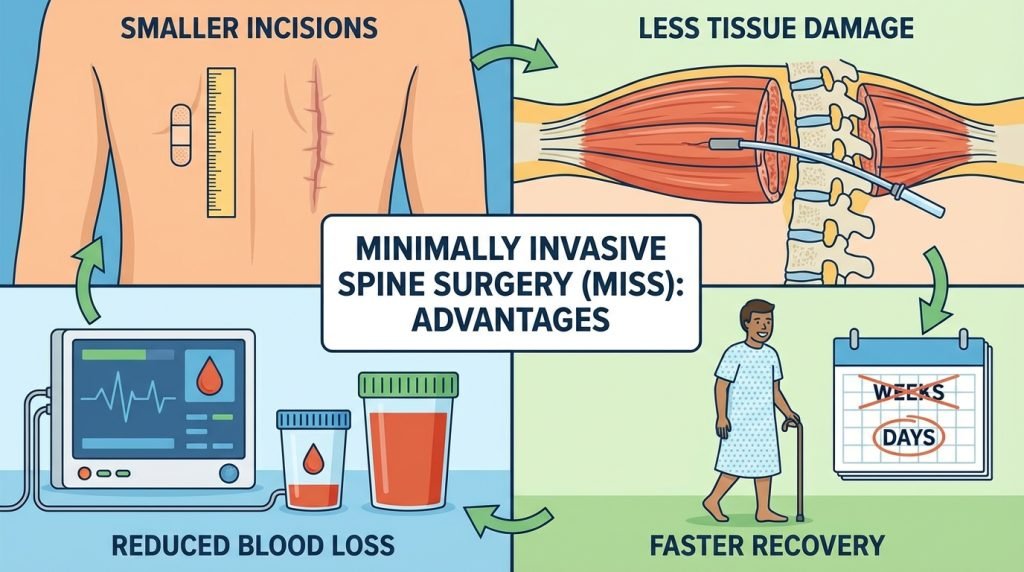
Minimally Invasive Spine Surgery (MISS): Advantages You Should Know For decades, the phrase “back surgery” was often met with hesitation. Traditional spinal procedures were synonymous with large incisions, significant blood loss, and gruelling month-long recovery periods. However, the field of neurosurgery and orthopedics has undergone a seismic shift with the advent of Minimally Invasive Spine […]
Brain Vascular Disorders: Symptoms, Types & Modern Treatments
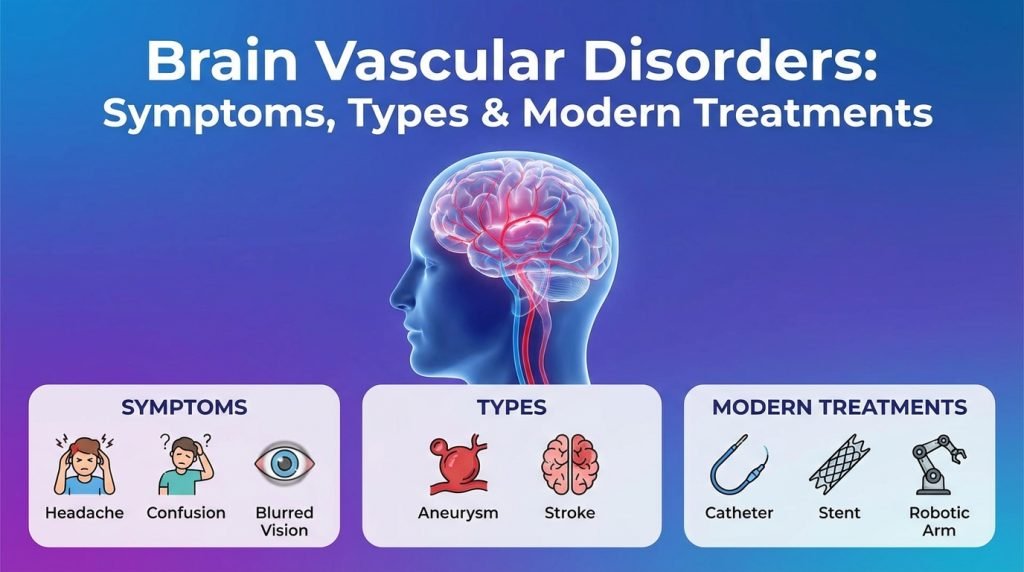
Brain Vascular Disorders: Symptoms, Types & Modern Treatments The human brain is an incredibly demanding organ, consuming roughly 20% of the body’s oxygen and nutrients despite making up only 2% of its weight. This constant demand is met by a complex network of blood vessels. When something goes wrong with this “plumbing”—a condition known as […]
What Is a Craniotomy? Types, Risks, and Recovery
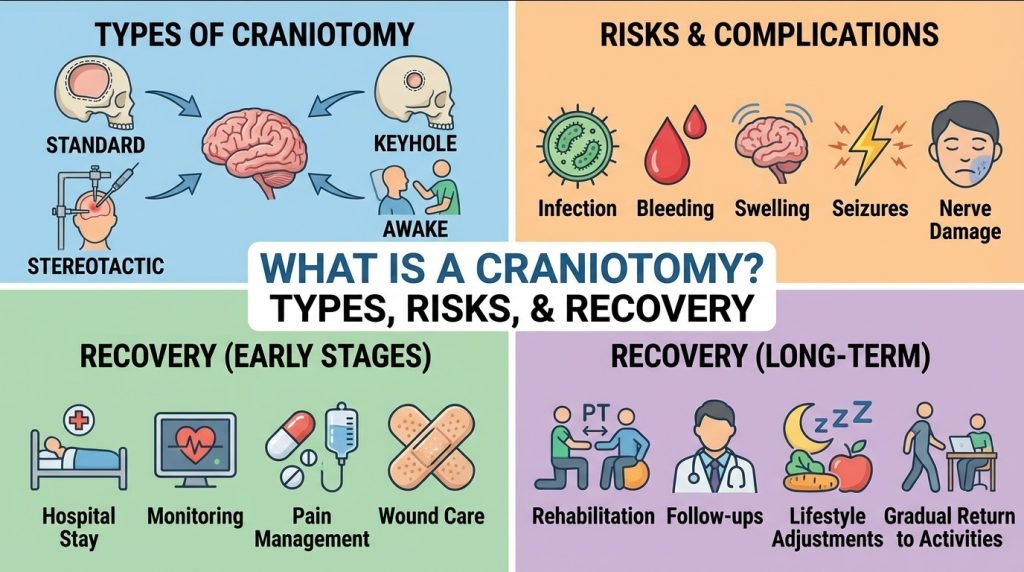
What Is a Craniotomy? Types, Risks, and Recovery A craniotomy is one of the most critical and complex procedures in the field of neurosurgery. It is a surgical operation where a piece of the skull—called a bone flap—is temporarily removed to allow a neurosurgeon access to the brain. Once the underlying issue is treated, the bone flap is […]
Traumatic Brain Injury (TBI): Recovery and Long-Term Care
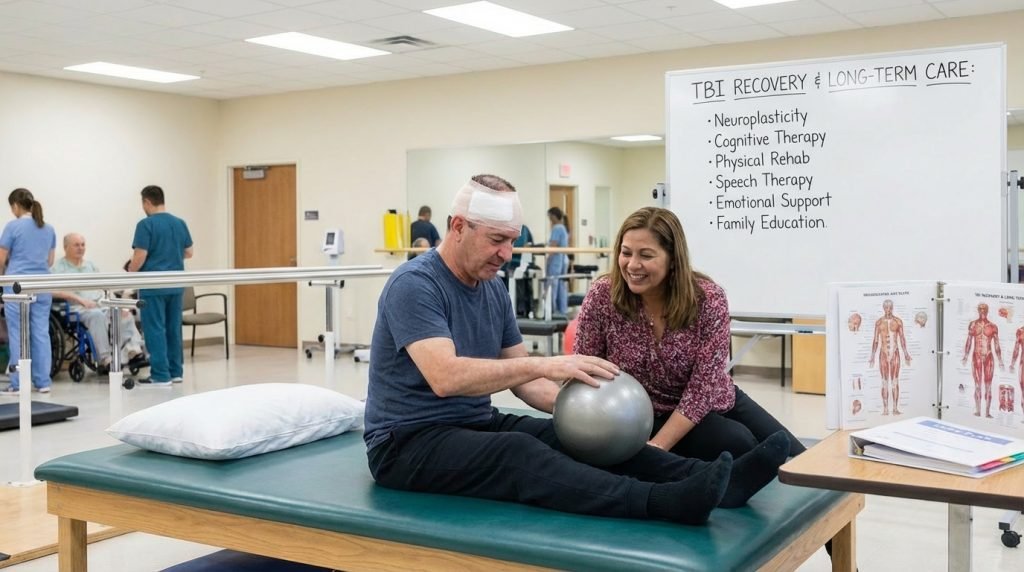
Traumatic Brain Injury (TBI): Recovery and Long-Term Care A Traumatic Brain Injury (TBI) is more than just a medical event; for many, it is the start of a lifelong journey. Whether caused by a fall, a car accident, or a sports injury, a TBI disrupts the normal function of the brain. While the initial medical intervention is […]
Spine Fractures: Causes, Diagnosis & Neurosurgical Treatment
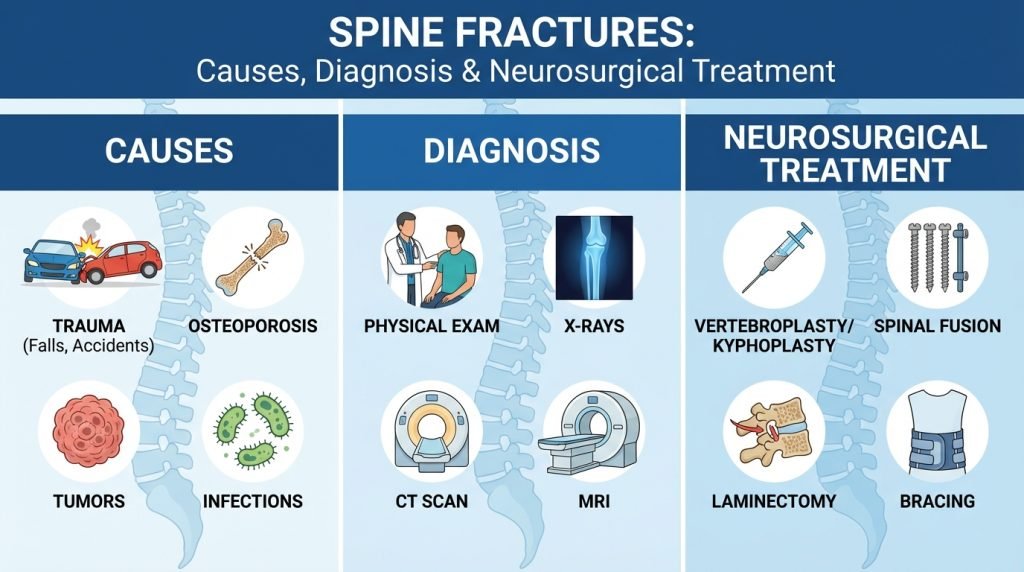
Spine Fractures: Causes, Diagnosis & Neurosurgical Treatment A spine fracture—also known as a vertebral fracture—is a serious injury that involves a break in one or more of the bones (vertebrae) that make up the spinal column. Unlike a broken arm or leg, a fracture in the spine carries the potential risk of damaging the spinal cord or surrounding […]
Epilepsy Surgery: Who Is a Candidate & What to Expect
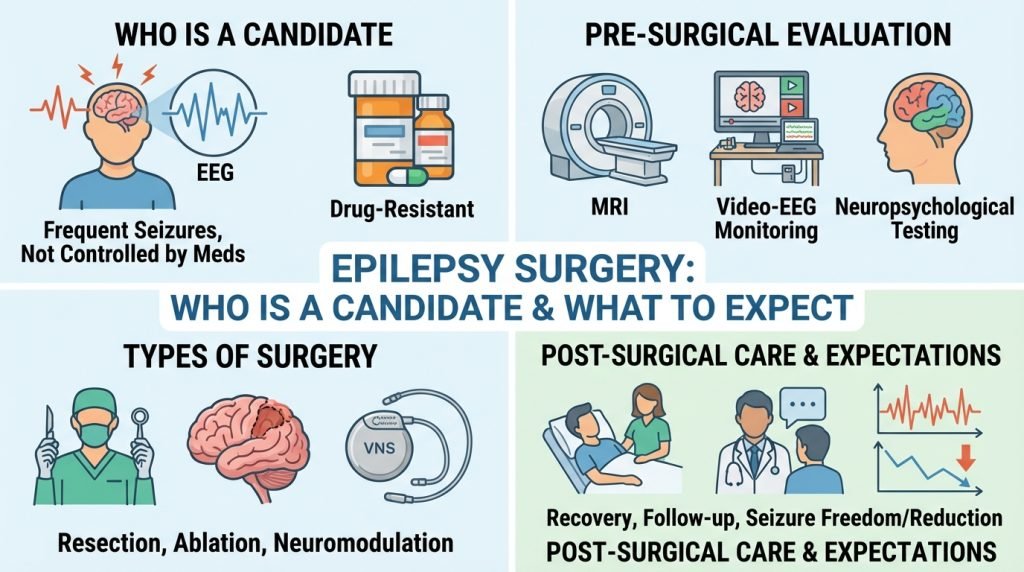
Epilepsy Surgery: Who Is a Candidate & What to Expect For millions of people worldwide, epilepsy is managed effectively through anti-seizure medications (ASMs). However, for approximately 30% of patients, medications fail to provide adequate seizure control. This condition is known as drug-resistant or refractory epilepsy. When medications fail, epilepsy surgery often transitions from a “last resort” to the most effective path […]
Pediatric Neurosurgery: Common Conditions & Safe Treatments
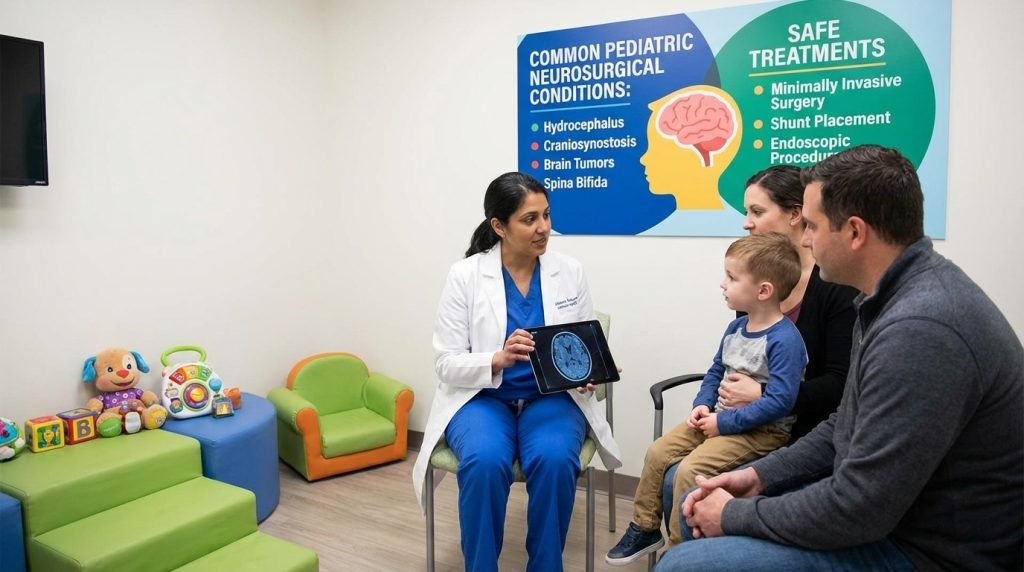
Pediatric Neurosurgery: Common Conditions & Safe Treatments Discovering that your child requires neurological care is a profound moment for any parent. However, pediatric neurosurgery has advanced to a point where many conditions that were once considered life-limiting are now highly treatable with excellent long-term outcomes. Unlike adult neurosurgery, pediatric neurosurgery focuses on the developing nervous system. Because a […]
Brain Hemorrhage: Early Warning Signs & Emergency Care
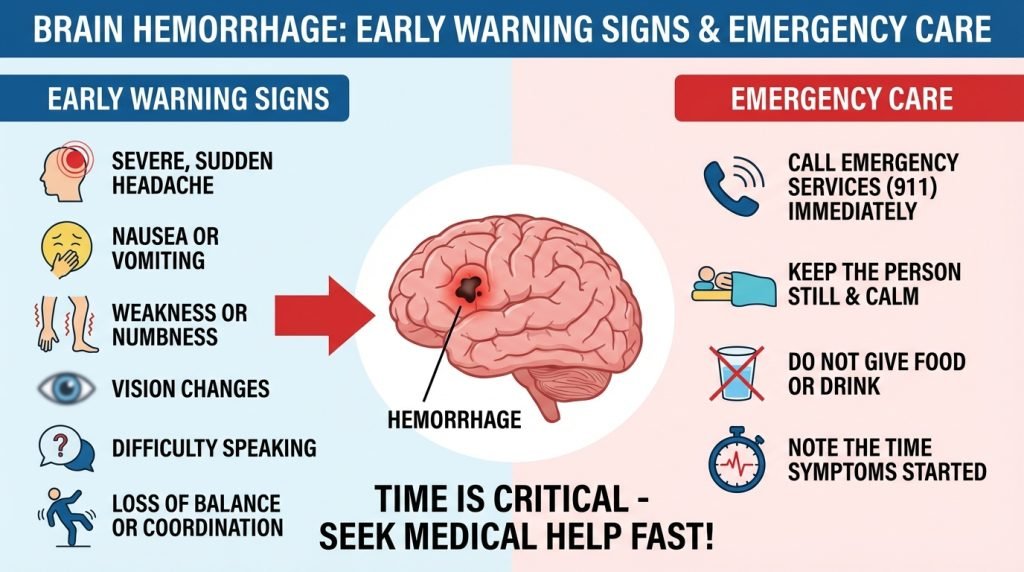
Brain Hemorrhage: Early Warning Signs & Emergency Care A brain hemorrhage—commonly referred to as a “brain bleed”—is a life-threatening medical emergency. It is a type of stroke caused by an artery in the brain bursting, which leads to localized bleeding in the surrounding tissues. This bleeding kills brain cells by depriving them of oxygen and creating […]
Spinal Disc Problems: Symptoms, Treatment & Preventive Care
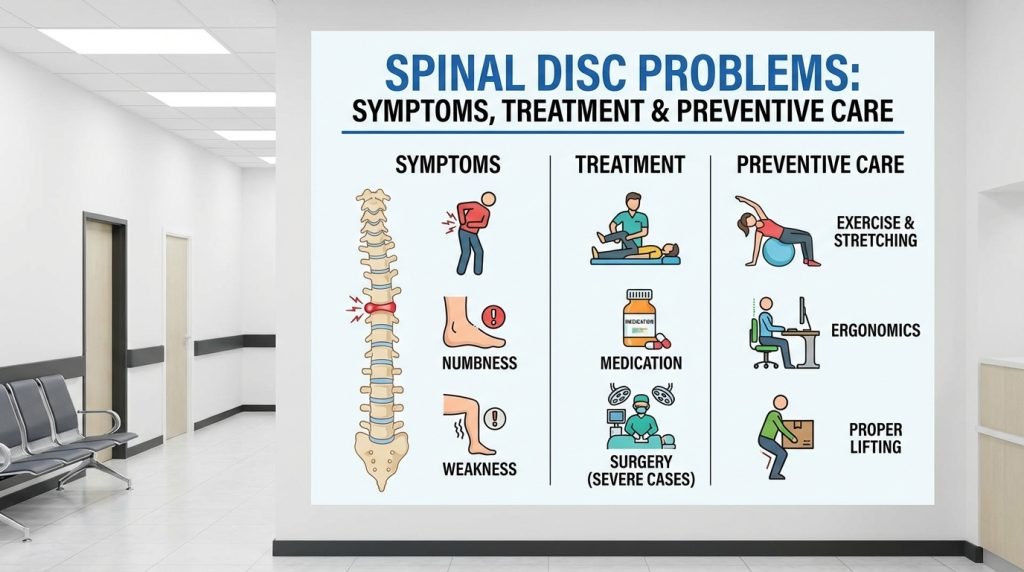
Spinal Disc Problems: Symptoms, Treatment & Preventive Care Back pain is one of the most common reasons people seek medical attention or miss work worldwide. At the heart of many of these issues are the intervertebral discs—the specialized cushions located between the bones of your spine (vertebrae). When these discs become damaged, dehydrated, or displaced, the […]
Endoscopic Brain Surgery: Benefits, Techniques, and Recovery
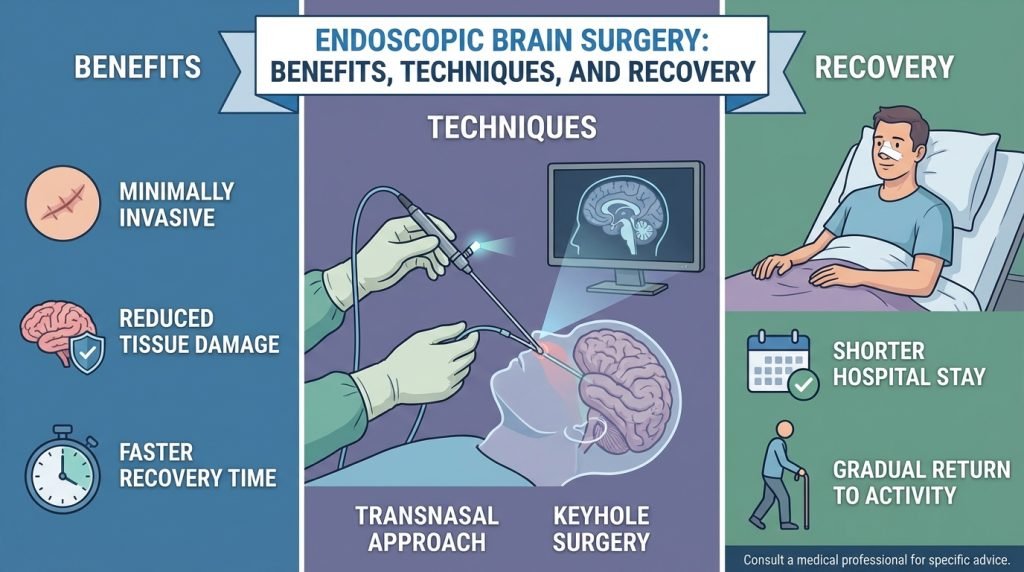
Endoscopic Brain Surgery: Benefits, Techniques, and Recovery The field of neurosurgery has undergone a silent revolution. Gone are the days when every brain-related procedure required a large, invasive “open” craniotomy. Today, endoscopic brain surgery allows neurosurgeons to treat complex conditions through tiny incisions or even natural openings like the nostrils. For patients and families, this shift means […]

